Drunken Noodle Near Me: The Best Thai Noodle Dish for Spice Seekers
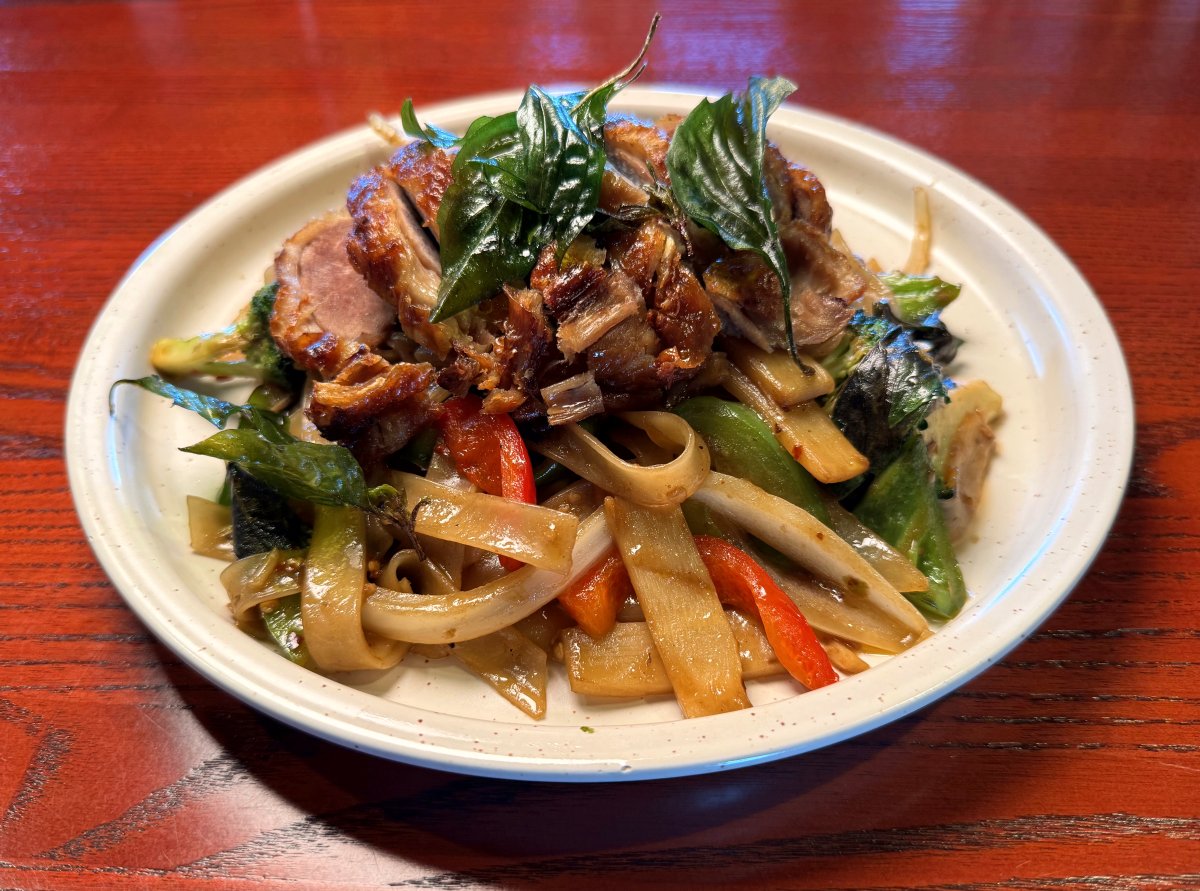
Few noodle dishes hit with the same swagger as Drunken Noodle. It arrives glossy, aromatic, a little unruly, and usually carrying the kind of heat that makes you sit up straighter after the first bite. If you have ever typed “Drunken Noodles Near Me” into your phone while craving something spicy, savory, and deeply satisfying, you already know the appeal. This is not a timid bowl of noodles. It is a fast, hot stir-fry built for people who want flavor with force behind it.
The dish is widely known in Thai restaurants as pad kee mao, a name that often gets translated as “drunken noodles.” Despite the name, there is no alcohol in the standard recipe. The common explanation is that the bold flavors pair well with drinking, or that the dish has the kind of intensity a person might crave late at night. Whatever origin story you prefer, the result is what matters: broad rice noodles, chilies, garlic, Thai basil, sauce that clings instead of pooling, and enough wok heat to give the whole plate a smoky edge.
For spice seekers, Drunken Noodle sits in a sweet spot. It is hotter and more aromatic than pad see ew, usually less soupy and herb-driven than many curries, and more satisfying as a single plate than lighter noodle dishes that can feel one-note after a few bites. When a Thai kitchen knows what it is doing, this dish delivers heat in layers rather than as a blunt instrument. First comes the savory hit, then the sweetness that rounds the sauce, then the chili, then the perfume of basil, and finally that elusive char from the wok.
What makes Drunken Noodle so addictive
At its core, Drunken Noodle works because it balances chaos with control. The noodles are soft but not limp. The vegetables retain some snap. The protein, whether chicken, beef, tofu, shrimp, or a seafood mix, picks up flavor from the pan instead of floating through the dish as an afterthought. Every forkful tastes slightly different because the ingredients do not disappear into uniformity.
The broad rice noodles are crucial. Their width gives them presence, and their texture lets them absorb sauce without breaking apart if they have been handled well. Thin noodles would get lost here. The broader cut creates little folds that trap garlic, chili oils, and juices from the vegetables. That matters because Drunken Noodle is not just about heat. It is about contrast. A flat ribbon of noodle with a bit of char, a slice of onion, a green bean, and a torn basil leaf tastes more complete than a dish where everything blends into soft sameness.
Thai basil does more work than many diners realize. Its peppery, slightly anise-like character changes the dish. Without it, you can still have a decent stir-fried noodle plate, but you lose the aromatic lift that makes Drunken Noodle distinct. Good kitchens add it late enough to preserve its fragrance but early enough to let it wilt into the sauce. The timing is small, but it is the difference between a dish Drunken Noodles Near Me nakhonluangthaicos.com that tastes fresh and one that feels tired.
Chili is the obvious headline, but garlic is the backbone. The best versions smell of garlic before they even hit the table. Fresh chili brings the bright attack, but garlic deepens the whole profile and ties the sweet, salty, and savory notes together. A dish that leans too heavily on sugar, or one that simply dumps chili flakes over bland noodles, misses the point.
Then there is wok hei, the subtle smokiness produced by intense heat in a seasoned wok. Not every restaurant can deliver it consistently, especially during a rush or with a smaller burner, but when it is there, you know. The noodles get little browned edges. The vegetables carry a slight blister. The sauce tastes fired, not merely warmed. It is one of the main reasons restaurant Drunken Noodle can be hard to replicate at home.
The difference between a decent plate and a great one
Many Thai restaurants offer Drunken Noodle, but quality varies more than most people expect. I have had excellent versions from family-run spots with ten tables and laminated menus, and disappointing versions from polished dining rooms with perfect lighting and high prices. This dish rewards a kitchen that cooks with confidence, speed, and restraint.
A strong plate should feel cohesive but not soggy. The sauce should glaze the noodles, not drown them. If you see a puddle gathering at the bottom after a minute or two, the balance is off. That usually means too much liquid, not enough heat, or a batch that sat too long before it reached the table. You want enough sauce for shine and flavor, but not so much that the noodles slip into mush.
Vegetables matter more than people think. Bell peppers are common, and onions usually add sweetness and bite. Baby corn, carrots, broccoli, and green beans show up depending on the restaurant. There is no single perfect mix, but texture matters. If all the vegetables are soft and overcooked, the dish loses tension. The best plates have at least one or two vegetables that push back when you bite them.
Protein is another place where restaurants separate themselves. Chicken should stay juicy. Beef should be sliced thin and cooked fast enough to remain tender. Shrimp should be firm and springy, never chalky. Tofu should either carry some crisp edges or at least enough surface texture to hold onto sauce. Bland protein is one of the easiest ways to make a vibrant dish feel forgettable.
If you are scanning reviews while searching “Drunken Noodles Near Me,” ignore generic praise and look for specific language. A useful review mentions heat level, noodle texture, basil aroma, portion size, or whether the dish tasted smoky from the wok. Vague comments like “great food” tell you almost nothing. Specific details suggest the reviewer actually paid attention to the dish in front of them.
The signs of a kitchen that understands this dish
If you are trying a new Thai restaurant, a few details can help you tell whether the Drunken Noodle is likely to be worth ordering.
- The menu lists Thai basil clearly, not just basil.
- The restaurant asks meaningful spice-level questions instead of defaulting to “mild, medium, hot” with no explanation.
- The noodles arrive glossy and separated, not clumped into a heavy mass.
- You can smell garlic, chili, and basil before the plate lands.
- The dish tastes hot from the wok, not just hot from chili.
These sound small, but together they reveal how seriously the kitchen treats stir-fried noodles. Good Drunken Noodle is a technique dish dressed as comfort food.
Spice level is not a game, it is part of the craft
One of the most common mistakes people make with Drunken Noodle is ordering a spice level based on ego rather than appetite. Thai restaurants vary wildly in how they define “hot.” At one place, medium might barely register. At another, medium can leave experienced chile eaters reaching for iced tea and recovery time. There is no universal scale.
For first-time orders from an unfamiliar restaurant, asking how their spice levels run is a smart move, not a timid one. A good server can tell you whether “Thai hot” means assertive and enjoyable or face-melting and punishing. The best kitchens understand that heat should support the dish. The goal is not to numb your mouth. It is to sharpen the garlic, wake up the basil, and push the savory sweetness into higher definition.
A properly spicy Drunken Noodle should still let you taste everything else. If the chili blows out the basil and sauce, the balance is gone. If the dish is so mild that it reads sweet and flat, you lose its character from the other direction. That is why regulars often settle into a specific order after a few tries. There is a personal heat level where the dish clicks.
I have found that many restaurants produce their best version in the upper-middle range rather than at the absolute maximum. Somewhere around medium-hot or hot, depending on the kitchen, often gives enough fire to make the dish sing without turning it into a pure endurance test. That is not a rule, just a pattern. Some places are remarkably precise at every level, while others seem to treat spice as an afterthought.
Why Drunken Noodle wins over other Thai noodle dishes for spice seekers
Pad Thai may be the best-known Thai noodle dish in the United States, but it is rarely the one spice lovers return to when they want intensity. Pad Thai is sweet-tart, peanutty in some versions, and often built for broad appeal. Drunken Noodle is less interested in diplomacy. It comes off the line louder, bolder, and more aromatic.
Pad see ew, another broad rice noodle dish, has a different charm. It leans darker, sweeter, and softer, with a soy-forward profile that many people love. But if you want that restless kick from fresh chili and basil, it cannot quite compete. Pad see ew comforts. Drunken Noodle excites.
Even some curries, as rich and excellent as they are, can feel heavier if you are in the mood for a direct, fast-moving plate. A bowl of green curry has layers of coconut, herbs, and broth. Drunken Noodle is more immediate. It gives you char, chew, heat, and herb in a form that feels both indulgent and easy to demolish.
That immediacy is why the dish has become a staple order for late dinners, post-work cravings, and group meals where everyone wants something different. It is flexible enough for meat eaters, vegetarians, and seafood lovers, yet distinctive enough to feel like a real choice rather than a fallback.
Finding the best “Drunken Noodles Near Me” without wasting a meal
Search results can be deceptive. The nearest Thai restaurant is not always the best one for noodles, and the highest-rated one may shine in curries or soups rather than stir-fried dishes. If Drunken Noodle is what you are after, focus on cues that point to wok cooking and high turnover.
Photos help, but only if you know what to look for. A good plate has sheen, visible basil, and noodles that look coated rather than soaked. A great photo often shows some irregularity, browned spots, torn herbs, bits of chili, and vegetables with distinct color. If every image looks pale brown and uniformly soft, expectations should stay modest.
Timing matters too. Stir-fried noodle dishes travel less gracefully than curries. They are at their best shortly after cooking. If you are ordering delivery, consider distance. A dish that spends 35 to 45 minutes sealed in a container can steam itself into softness, even if it left the wok in excellent shape. Pickup tends to preserve texture better. Dining in is best when possible.
Menu wording offers clues. Restaurants that distinguish between spice preferences, protein options, and noodle styles often pay attention to customization. Places that bury Drunken Noodle in a generic noodle section with almost no description may still produce a strong version, but the odds improve when the menu reflects familiarity and confidence.
Local patterns also matter. If a Thai restaurant has a strong lunch crowd from nearby offices, that usually suggests consistency and speed. If regulars mention ordering the same dish repeatedly, that is meaningful. Drunken Noodle earns repeat orders when it is done right.
How to order it well
Most disappointments with Drunken Noodle come from mismatched expectations rather than outright bad cooking. A few choices on your end can improve the result dramatically.
- Ask how the restaurant handles spice levels, especially on your first order.
- Choose pickup or dine-in if you care about noodle texture.
- If you like extra basil or extra vegetables, request them politely, because many kitchens will accommodate.
- Be realistic about protein. Shrimp can overcook in long delivery windows, while tofu and chicken often travel better.
- Eat it promptly. This is not a dish that improves after sitting on the counter.
That last point matters. Drunken Noodle is one of those meals that rewards immediacy. Open the container, stir gently if needed, and start eating while the noodles still have bounce.
Common variations, and which ones are worth trying
There is no single canonical American restaurant version of Drunken Noodle. Menus vary by region, chef, and house style. Some skew sweeter. Some emphasize chili. Some use more vegetables than others. A few offer unusual proteins like duck, crispy pork, or a seafood medley. These are not automatically better or worse. They just shift the center of gravity.
Beef often works especially well because it stands up to bold seasoning. Thin slices pick up char and remain satisfying against the slippery noodles. Chicken is the most common and the safest first order, mostly because it tends to showcase the sauce clearly. Shrimp can be excellent if cooked well, lending sweetness that plays nicely against heat, but it has a narrower margin for error. Tofu can be outstanding if the kitchen sears it or uses firm pieces that do not crumble into the sauce.
Vegetable-only versions deserve more respect than they often get. Because the dish already has strong sauce, basil, and noodle texture, it can hold up beautifully without meat. In some restaurants, the vegetable version tastes brighter because more space is left for aromatics and wok heat to show through.
If a menu offers “crispy pork Drunken Noodle,” it is worth considering. The richness of the pork with chili and basil can be remarkable, though it pushes the dish into heavier territory. This is a great cold-weather order or a very satisfying dinner after a long day, but perhaps not what you want if you are craving something lighter.
The delivery problem no one talks about enough
A lot of people first encounter Drunken Noodle through delivery apps. That is convenient, but it introduces a real quality challenge. Rice noodles continue to soften in a sealed container. Steam condenses on the lid, drips back down, and can dilute the sauce. Vegetables lose some crispness. Basil keeps cooking in residual heat. Even the best kitchen cannot fully outcook physics.
If you must get delivery, a restaurant ten minutes away has a built-in advantage over one twenty-five minutes away. So does a place that packs hot stir-fries in vented or less tightly sealed containers. Some restaurants know this and compensate by cooking the noodles a shade firmer. Others do not, which is why the same dish can be excellent in-house and just decent at your doorstep.
This does not mean delivered Drunken Noodle cannot satisfy. It absolutely can. Just adjust expectations. Delivery favors saucier dishes and soups more naturally. Stir-fried noodles are a bit more fragile. If your first experience with a restaurant’s Drunken Noodle was through a long delivery route and it seemed soft, it may still be worth trying again in person.
When the dish goes wrong
Poor Drunken Noodle fails in familiar ways. The noodles clump. The sauce turns sugary and heavy. The basil disappears. The vegetables collapse. The heat feels random rather than integrated. The whole plate tastes like soy and chili pasted onto starch. You can usually tell within three bites whether the kitchen understands the assignment.
Sometimes the issue is not even flavor, but temperature. Stir-fried noodles should arrive hot, not lukewarm. Warm noodles congeal faster, and the sauce starts to feel greasy. A hot plate carries aroma better and keeps the texture alive for longer. If you dine in and the dish lands barely steaming, you are not getting it in its best form.
Another common problem is overloading the pan. When kitchens rush and crowd the wok, ingredients steam rather than fry. That kills the little browned edges that make the dish compelling. It also encourages excess sauce to cover the lack of sear. The result is a wet plate that tastes flatter than the ingredient list suggests it should.
Why spice seekers keep coming back
There is a reason Drunken Noodle inspires loyalists. It gives you more than raw heat. It offers heat with personality. That distinction matters. Plenty of foods can make you sweat. Fewer dishes make you sweat while also delivering sweetness, char, basil perfume, chewy noodles, and enough savory depth to pull you into another bite before you have fully finished the last one.
It is also one of the easiest Thai dishes to personalize. You can adjust spice, choose your protein, ask for extra vegetables, or lean into richer versions with beef or pork. Yet the dish still keeps its identity. It remains recognizably Drunken Noodle as long as the basil, chili, and wok-fired noodle base stay intact.
When people search “Drunken Noodles Near Me,” they are often looking for more than dinner. They want a reliable hit of flavor, comfort, and spice, preferably from a place that can deliver it consistently. Once you find a restaurant that gets the balance right, not too sweet, not too wet, not all heat and no aroma, it tends to become a regular order.
That loyalty is earned in the details. The slight char on the noodles. The way the basil blooms in the steam. The burn that builds without flattening your palate. The plate that looks a little wild and tastes completely intentional. For anyone who chases spicy food with discernment rather than bravado, Drunken Noodle deserves its place near the top of the Thai takeout and dine-in rotation.
And if tonight’s craving has you once again reaching for your phone to search “Drunken Noodles Near Me,” you now know what to look for. Find the place with real wok heat, a confident hand with chili, and enough respect for basil and texture to keep the dish alive from first bite to last. That is where this noodle dish stops being just good and starts being unforgettable.
Nakhon Luang Thai Kitchen
Address: 805 Village Center Dr, Colorado Springs, CO 80919
Phone number: +17195315175
FAQ About Drunken Noodles Near Me
What makes it drunken noodles?
Drunken noodles, or Pad Kee Mao, get their name from the Thai word khi mao (meaning "drunkard"). They contain no alcohol. The name comes from the idea that the dish is a popular late-night meal to cure a hangover or a great food to eat with a cold beer.
What is the difference between pad see ew and drunken noodles?
While both Pad See Ew and Drunken Noodles use the same wide rice noodles, Pad See Ew is a mild, sweet-savory dish made with dark soy sauce and Chinese broccoli, whereas Drunken Noodles (Pad Kee Mao) are fiery, garlicky, and herbaceous with fresh chilies and Thai basil.
What are traditional drunken noodles?
Traditional drunken noodles, known as Pad Kee Mao in Thai, are a fiery, savory street food stir-fry made with wide flat rice noodles, fresh garlic, lots of hot chilies, meat or tofu, and fragrant holy basil. Despite the name, they contain no alcohol; the dish is traditionally eaten late at night or as a hangover cure because the intense spice helps clear the head.